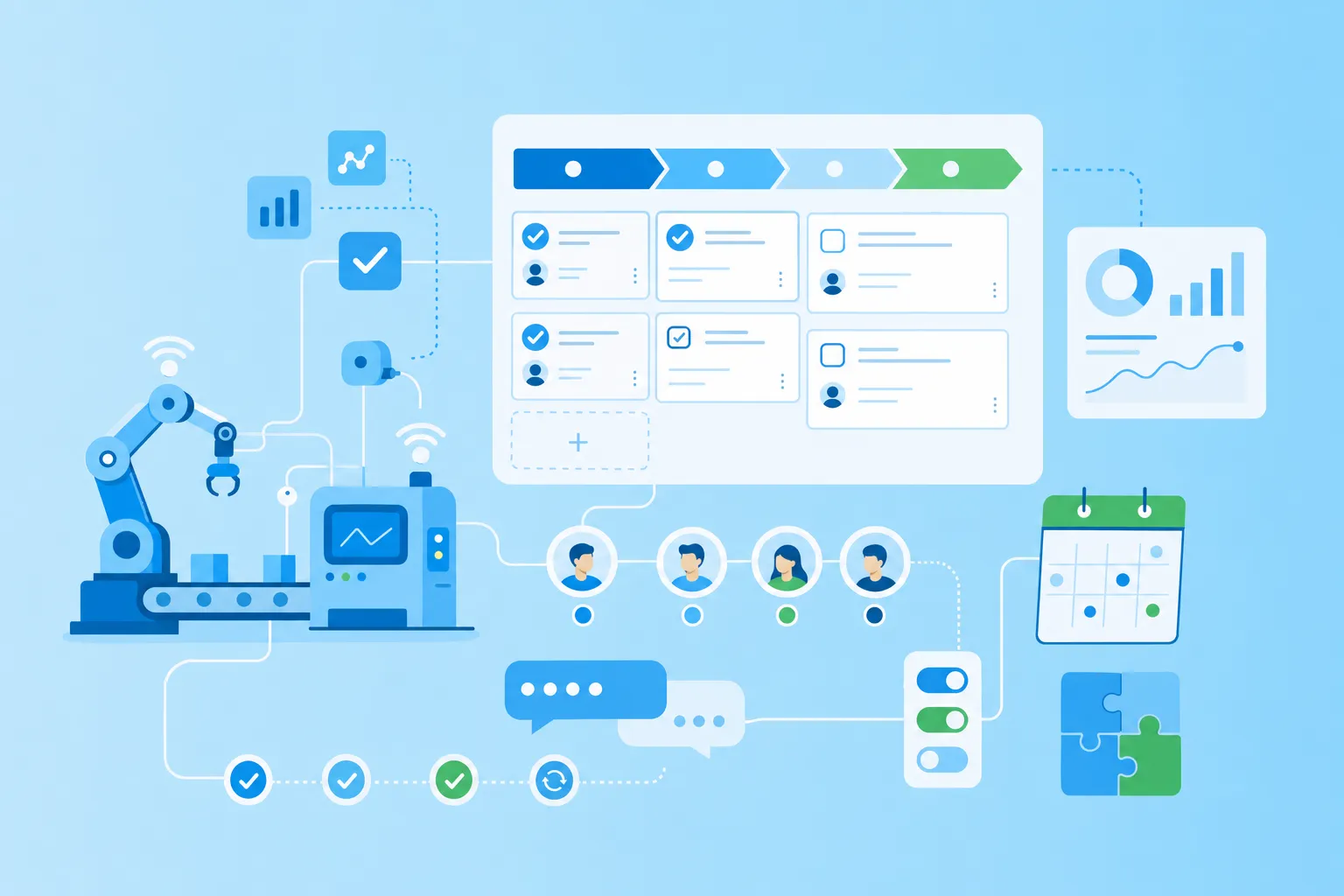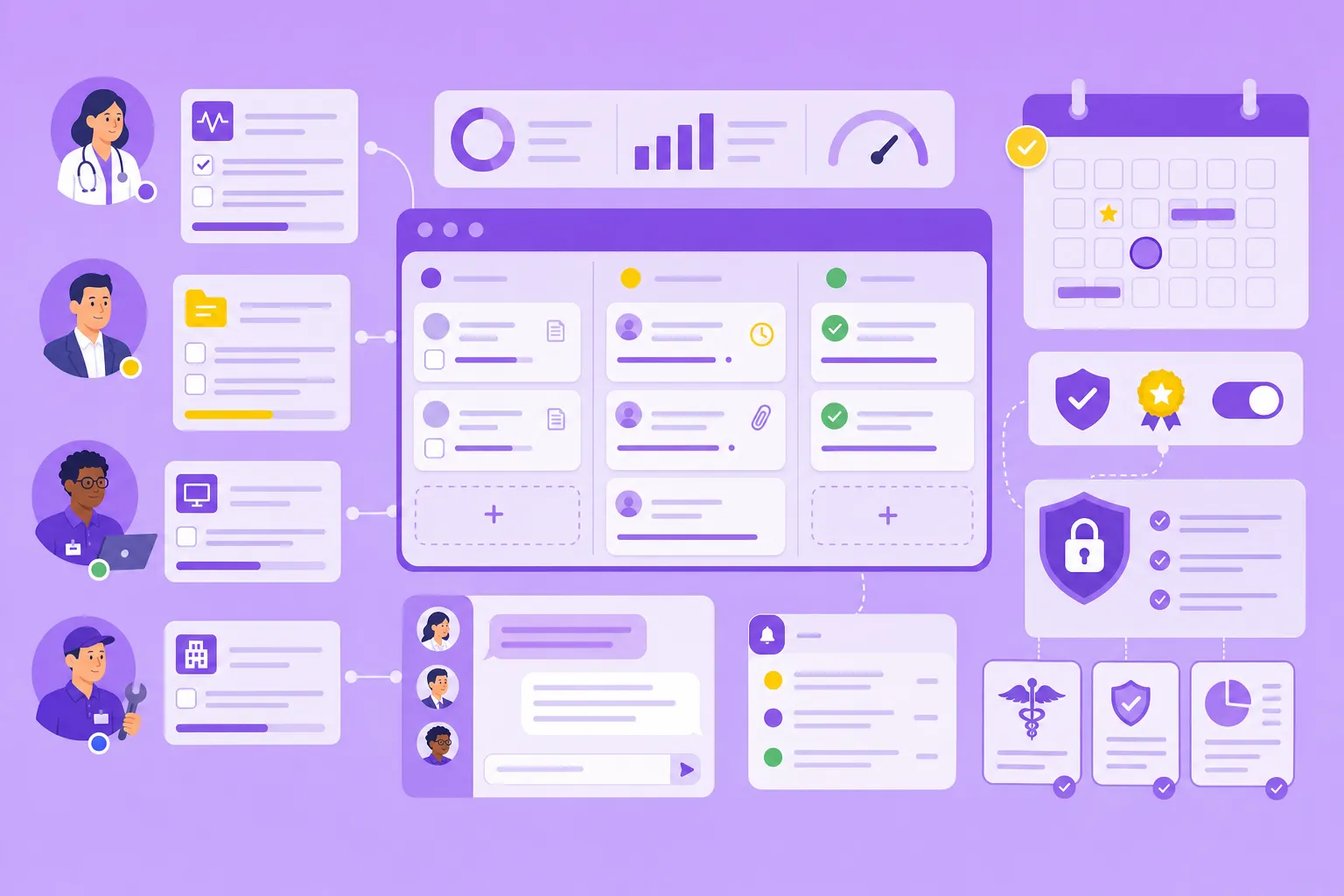


Efficiency and effectiveness are often confused, but they mean fundamentally different things. Efficiency is doing things right — completing tasks with minimal waste. Effectiveness is doing the right things — achieving your intended goals. A team that masters both delivers results without burnout.
This article explains the difference between efficiency and effectiveness, why both matter, and how to improve them together — with practical strategies you can implement today.
Efficiency vs. effectiveness: key differences
Efficiency measures how well you use resources — time, budget, people. It answers: are we doing things right? Effectiveness measures how well you achieve your goals. It answers: are we doing the right things? Both matter: high efficiency without effectiveness wastes effort. High effectiveness without efficiency exhausts the team.
Why most teams struggle with both
Teams obsessed with efficiency ship fast but often ship the wrong thing. Teams obsessed with effectiveness move slowly chasing perfect goals. The solution is a shared source of truth: keep goals, tasks, and progress visible so the team can optimize both at once. That's what MeisterTask does.
Three ways to improve team efficiency and effectiveness
1. Lock down goals before execution
Unclear goals sink effectiveness. Spend time on strategy first. Once goals are set, measure progress against them, not just activity.
2. Automate status tracking
Efficiency dies in status meetings. Use a task management tool to surface progress in real time so teams see what's being worked on without a meeting.
3. Measure both metrics
Track velocity (tasks/sprint, cycle time) AND outcomes (features shipped, impact). If velocity rises but outcomes don't, you're wasting effort.
Put it together with the right tool
See how MeisterTask brings efficiency and effectiveness together — visibility on goals, automated task tracking, and real-time progress so teams can course-correct fast. Explore the full project management platform.