
Clear processes guide teams toward success
Project workflows are the backbone of successful team collaboration. When teams lack clear processes, projects drift off course, deadlines slip, and frustration builds. The right workflow transforms chaos into clarity, turning ambitious goals into achievable milestones.
Every project faces the same fundamental challenge: coordinating multiple people, tasks, and timelines toward a shared objective. Project workflows solve this challenge by creating a repeatable framework that guides work from start to finish. Teams that implement effective workflows complete projects faster, communicate better, and deliver higher-quality results.
What is a project workflow?
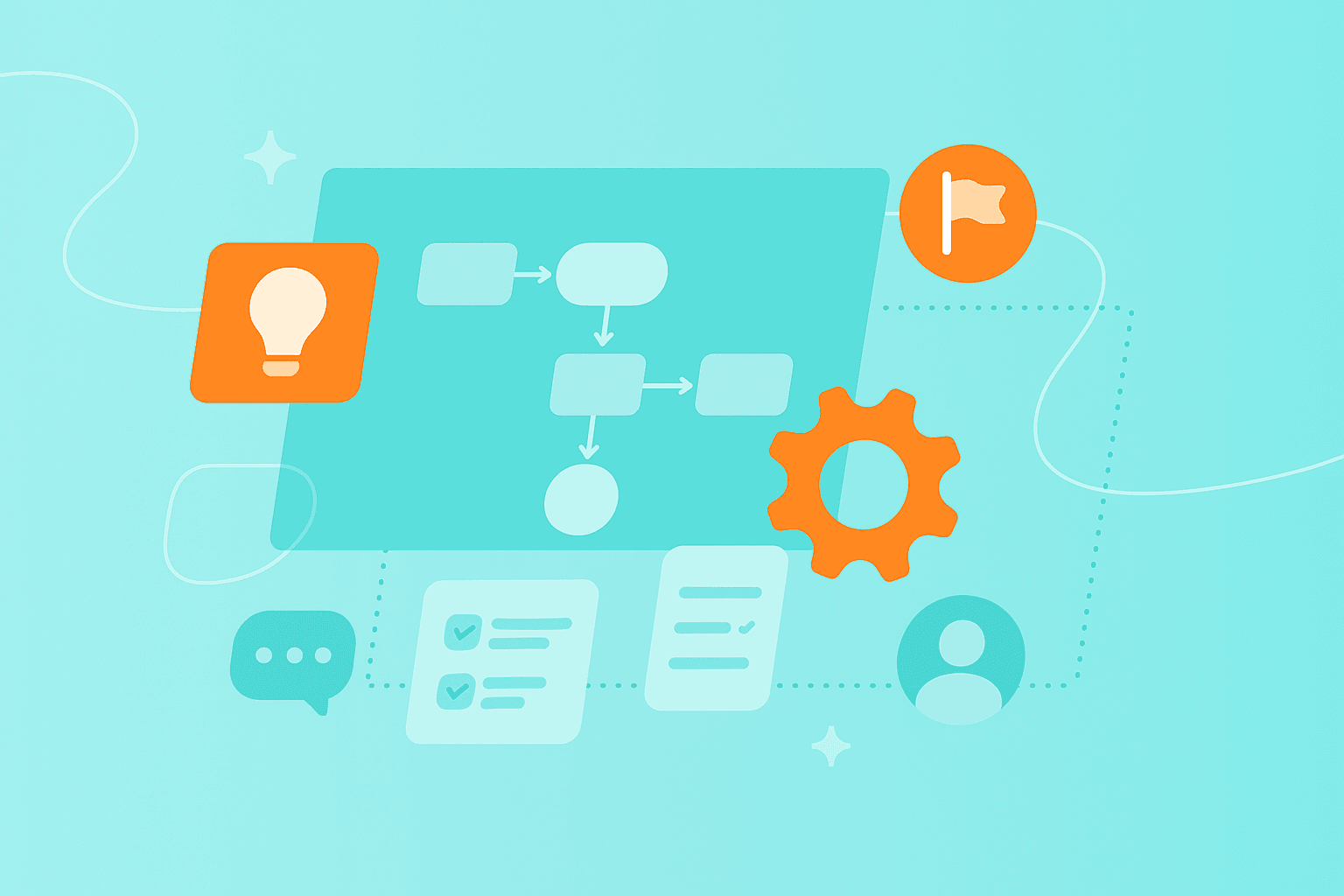
A project workflow is a sequence of tasks, processes, and approvals that guide a project from initiation to completion. Think of it as a roadmap that shows every step needed to reach your destination — who does what, when tasks occur, and how work moves between team members.
Project workflows differ from general workflows in their temporary nature and specific goals. While a general workflow might handle ongoing operations like invoice processing, a project workflow focuses on achieving a defined outcome within a set timeframe. Once the project ends, so does the workflow.
Key characteristics that make project workflows effective:
Structure: tasks organize in logical sequences, showing dependencies and parallel work streams
Visibility: team members see the entire project landscape and understand how their work connects
Accountability: clear ownership prevents tasks from falling between the cracks
Workflow project management brings method to the madness of complex initiatives. By establishing clear paths for work to follow, teams spend less time figuring out what to do next and more time doing meaningful work.
Why effective project workflows matter for team success
The difference between projects with and without workflows shows up in every metric that matters. Teams using structured project management workflow processes report dramatic improvements across the board.
Metric
Projects without workflows
Projects with workflows
Task completion rates
65%
92%
Team clarity
Low - frequent confusion
High - clear expectations
[Resource allocation](https://www.meistertask.com/pages/templates/resource-allocation-template)
Reactive, often overloaded
Proactive, balanced
Timeline adherence
45% on-time delivery
87% on-time delivery
Stakeholder satisfaction
Mixed feedback
Consistently positive
These improvements happen because workflows create accountability without micromanagement. Team members know their responsibilities and deadlines without constant check-ins. Managers gain visibility into progress without drowning in status updates.
Modern platforms like MeisterTask amplify these benefits through centralized collaboration. When workflows live in a shared digital space, remote and hybrid teams maintain the same clarity as co-located groups.
Essential steps to create a project workflow process
Building an effective project workflow management system starts with understanding the core components. Each step builds on the previous one, creating a comprehensive framework that adapts to different project types.
Step 1: define clear project objectives
Every successful workflow starts with crystal-clear objectives. Without them, workflows become generic processes that fail to deliver specific outcomes. Ask yourself:
What specific outcome marks project success?
How will you measure progress and completion?
What constraints (time, budget, resources) shape your approach?
Who benefits from this project, and what do they expect?
Step 2: map out tasks and identify dependencies
Task breakdown transforms big objectives into manageable work. List every activity required to complete the project, then organize them into logical groups. This process reveals the natural flow of work and highlights critical dependencies like sequential tasks that can't start until others finish, or parallel opportunities where multiple tasks can progress simultaneously.
Step 3: assign roles and responsibilities
Clear ownership prevents confusion. Each workflow task needs a designated owner, even if multiple people contribute. The workflow project manager oversees the entire process, but individual task ownership drives day-to-day progress. Define what "done" looks like for each task and establish review processes.
Step 4: establish milestones and deadlines
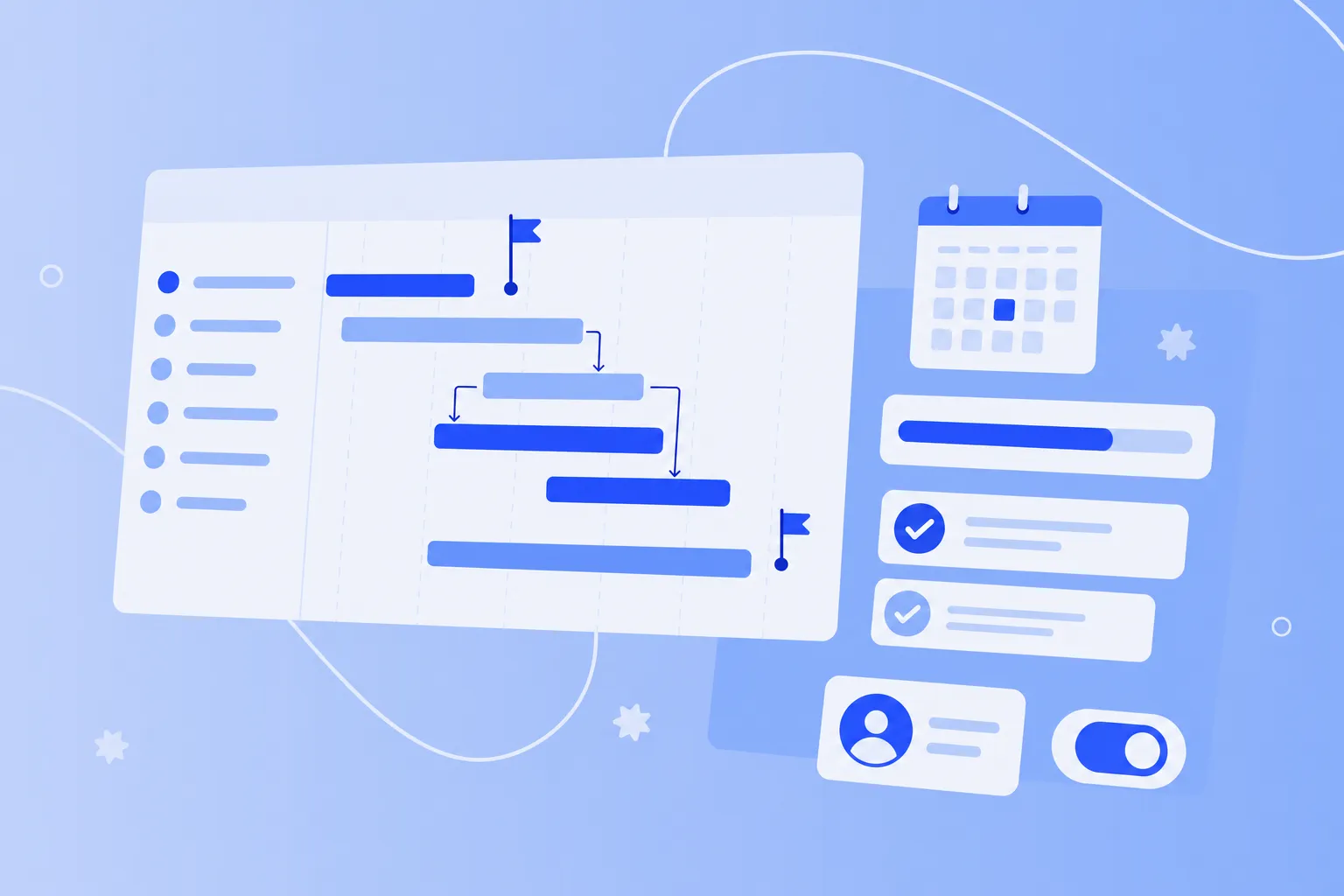
Work backward from your final deadline, allocating time for each phase while building in buffers for unexpected delays. Milestones create natural checkpoints for assessing progress. MeisterTask's Timeline feature visualizes these schedules, showing how tasks connect across time.
Step 5: implement tracking and review mechanisms
Workflows only work when teams actively monitor them. Regular check-ins catch problems early. Build review points into the workflow itself rather than treating them as add-ons. MeisterTask's reporting features provide real-time insights into workflow performance, turning workflow management from guesswork into science.
Popular workflow methodologies for different project types
Different projects demand different approaches to workflow design. Understanding these options helps you match method to mission.
Kanban for visual workflow management
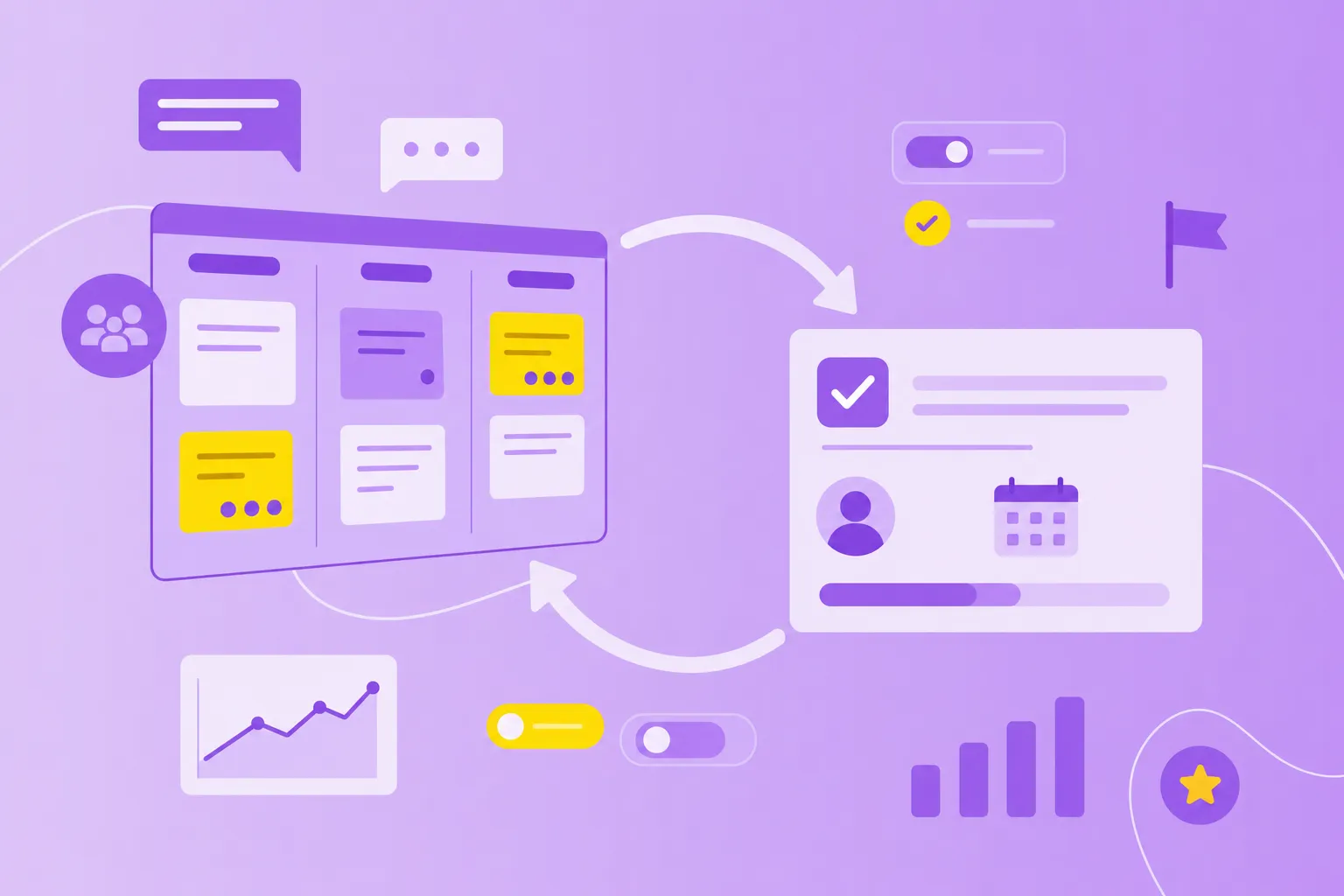
Kanban transforms abstract task lists into visual workflows anyone can understand at a glance. Cards move across columns representing workflow stages, creating immediate clarity about work status. This visual approach works particularly well for teams handling varied task types or continuous improvement initiatives.
Why Kanban resonates with so many teams comes down to its simplicity and adaptability. Unlike rigid methodologies, Kanban molds itself to existing processes rather than forcing wholesale change.
Agile Scrum for iterative development
Scrum structures work into focused sprints, typically lasting two to four weeks. Each sprint delivers a working increment of the project, allowing teams to gather feedback and adjust course regularly. This iterative approach excels when requirements evolve or early delivery provides value.
Waterfall for sequential projects
Some projects require a linear approach where each phase completes before the next begins. Construction, manufacturing, and regulated industries often favor Waterfall workflows for their predictability. Requirements lock down early, allowing detailed planning and resource allocation.
Hybrid approaches for complex requirements
An IT project workflow might use Waterfall for infrastructure deployment while applying Agile principles to software development. The key lies in documenting transitions and ensuring all team members understand the shifting context.
Five proven project workflow templates you can implement today
These project workflows provide starting points for common scenarios. Each template balances structure with flexibility, allowing customization while maintaining proven patterns.
1. Basic task management workflow
This straightforward approach works for general projects without complex dependencies. Small teams and straightforward initiatives benefit from this clarity without overhead. The workflow includes:
Backlog: all tasks awaiting assignment
In Progress: active work with assigned owners
Review: completed tasks awaiting approval
Done: finished and approved deliverables
Customize this workflow in MeisterTask by adding columns for your specific stages, color-coding tasks by priority, and creating automation rules.
2. Marketing campaign workflow
Marketing projects juggle creative development, stakeholder approvals, and channel-specific requirements. This project management workflow template accommodates everything from simple email campaigns to multi-channel product launches.
The workflow progresses through ideation, content creation, review cycles, and deployment phases. MeisterTask's customizable boards let marketing teams track assets, manage approvals, and coordinate launch timing.
3. IT project implementation workflow
IT projects balance technical requirements with business needs. This IT project management workflow template includes stages for requirements gathering, technical design, development, testing and deployment. Security reviews and change management processes integrate seamlessly.
Each stage includes checkpoints for compliance and documentation. MeisterTask's security features, including ISO 27001 certification and GDPR compliance, provide the foundation IT teams need.
4. Software development workflow
Modern software development demands workflows supporting rapid iteration while maintaining quality. This software project management workflow template incorporates continuous integration and deployment practices.
Development teams appreciate the flexibility to adapt the workflow to their specific tech stack. MeisterTask integrates with popular development tools, keeping code repositories and project management synchronized.
5. Cross-functional collaboration workflow
Complex initiatives often span multiple departments. This workflow template creates common ground for diverse teams to collaborate effectively. Clear handoffs between departments prevent work from stalling at organizational boundaries.
MeisterTask breaks down silos by providing a single source of truth accessible to all stakeholders. Department-specific views filter relevant information while maintaining overall project visibility.
Overcoming common project workflow challenges
Implementation challenges can derail even well-designed workflows. Teams encounter predictable obstacles that, left unaddressed, lead to workflow abandonment.
Common challenges and their solutions:
Resistance to change: start with pilot projects demonstrating quick wins
Over-engineering workflows: begin with minimal viable workflows and add complexity only when proven necessary
Lack of executive support: present data showing productivity gains from workflow adoption
Difficulty maintaining workflows: schedule regular workflow reviews and empower teams to suggest improvements
Transform your projects with customized workflows in MeisterTask
Effective project workflows transform how teams collaborate and deliver results. Whether you choose Kanban's visual simplicity, Scrum's iterative power or a hybrid approach tailored to your needs, the key lies in starting somewhere and refining based on experience.
MeisterTask provides the ideal platform for implementing and evolving your project workflows. With customizable boards, powerful automation and enterprise-grade security, teams can focus on their work rather than wrestling with their tools. From simple task management to complex cross-functional initiatives, MeisterTask adapts to your workflow rather than forcing you into rigid patterns.