
What is Kaizen?
Kaizen is a Japanese philosophy of continuous improvement — and one of the most practical frameworks for building a culture of incremental, sustainable change in any organization.
The word Kaizen combines two Japanese characters: Kai (change) and Zen (for the better). Literally translated, it means "change for the better" — and describes both a mindset and a set of practical tools aimed at constant, never-ending improvement.
Kaizen originated in postwar Japan, when businesses needed to achieve maximum efficiency and quality using minimal resources. It was shaped largely by the Toyota Production System, where continuous improvement became a core part of company culture. Instead of relying on rare, groundbreaking innovations, Toyota focused on small, daily suggestions from every employee — from factory workers to executives. This approach helped Toyota become one of the world's leading manufacturers and established Kaizen as a global standard.
Philosophy or method — or both?
Kaizen is both at once.
As a philosophy, it's a mindset embedded in company culture. It encourages everyone — from leadership to operations — to see problems not as annoyances but as opportunities to improve. Every employee is expected to reflect critically on their own work and contribute ideas for change.
As a method, Kaizen provides concrete tools to put that philosophy into practice: the PDCA cycle, the 5S method and structured improvement workshops called Kaizen events. These tools give teams a repeatable process for planning, testing and embedding improvements.
The 5 principles of Kaizen
These five core ideas underpin every Kaizen practice — from a five-minute workflow tweak to a company-wide transformation program.
1. Customer focus
Every improvement should ultimately benefit the customer. Whether it's product quality, delivery speed or service efficiency, the value for the end user must always come first. Teams using Kaizen regularly ask: "Does this change make our product or service better for the people who use it?"
2. A culture of openness and constructive criticism
Kaizen thrives on honest feedback and the willingness to treat mistakes as learning opportunities. Problems aren't hidden or deflected — they're surfaced openly and analyzed together. This requires psychological safety: people need to feel that raising a problem won't result in blame, but in collaborative problem-solving.
3. Process over results
While outcomes matter, Kaizen focuses primarily on improving the process that leads to those outcomes. A better process naturally produces better results. Rather than chasing KPIs directly, teams analyze workflows to find bottlenecks, unnecessary steps and inefficiencies — and fix them at the source.
4. Commitment to quality
Everyone takes responsibility for the quality of their own work. This sense of ownership leads to proactive error prevention rather than reactive firefighting. Quality isn't a department's problem — it belongs to every person in the process.
5. Standardization as a lever for progress
Once an improvement proves effective, it becomes the new standard baseline. This ensures the improvement is sustained rather than gradually abandoned. Standardization doesn't mean rigidity — it means not losing hard-won gains while continuing to build on them.
Kaizen in practice: the PDCA cycle
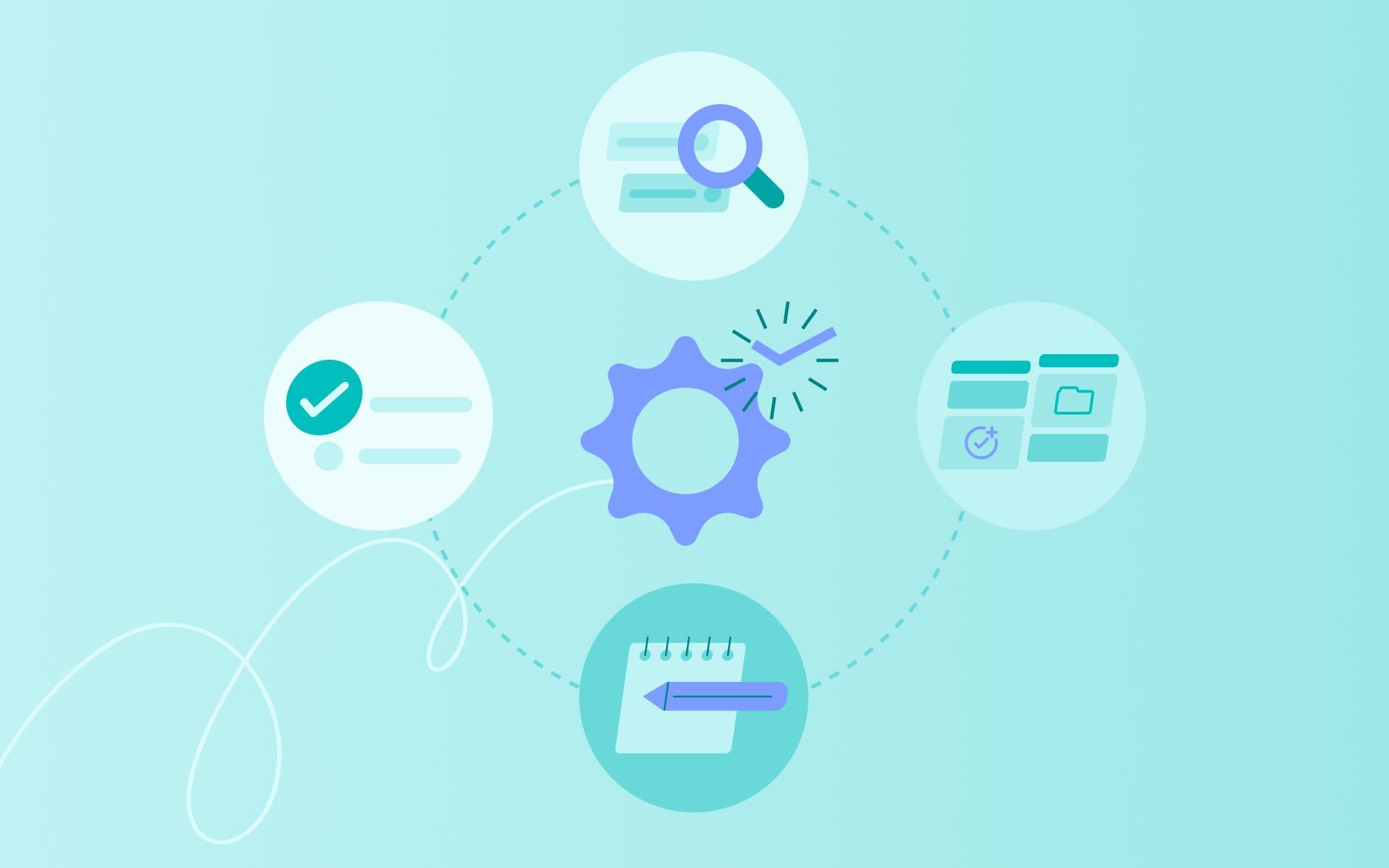
The PDCA cycle is the engine of Kaizen — a four-step iterative process that turns improvement ideas into tested, embedded standards.
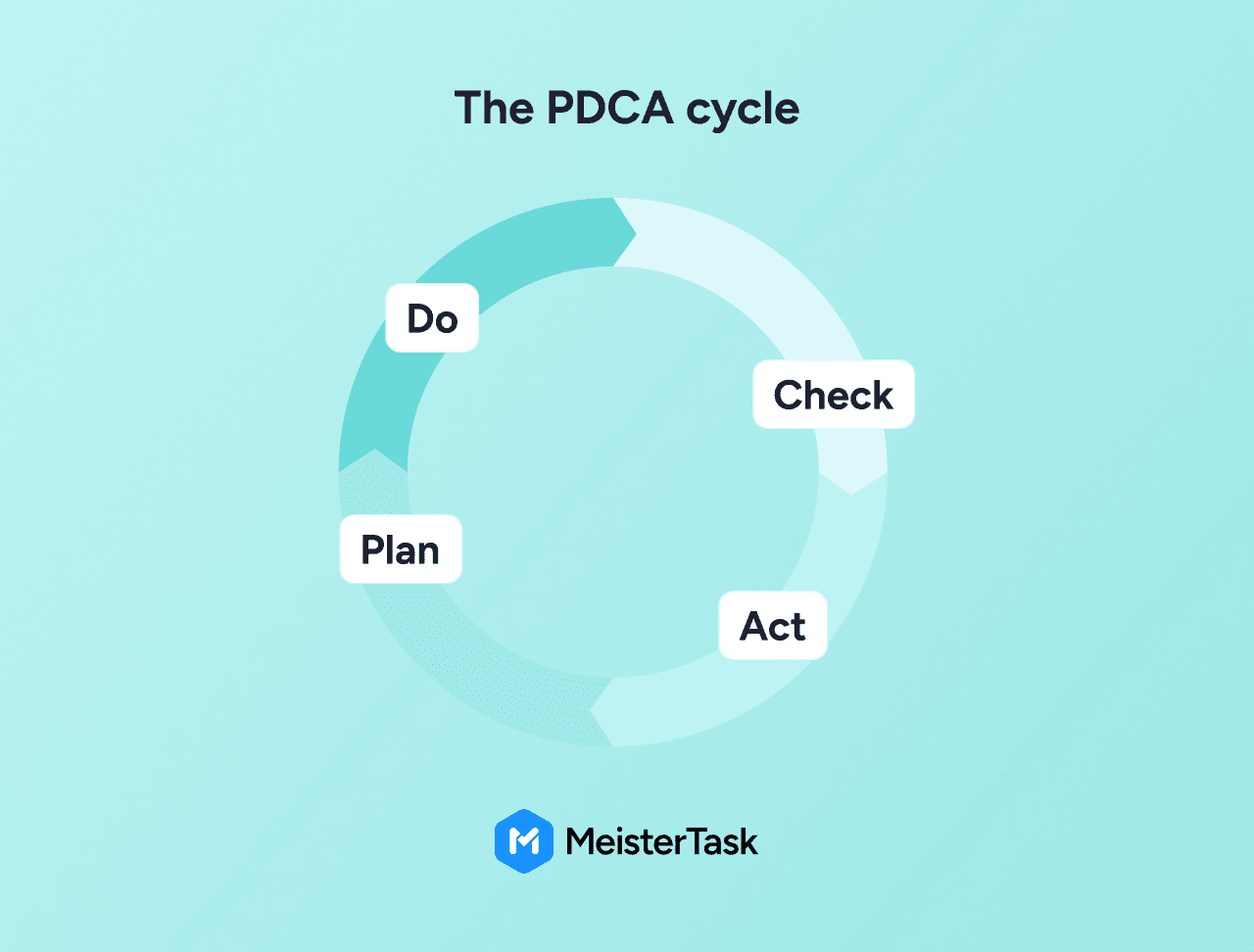
One of the most effective tools for implementing Kaizen is the PDCA cycle (also known as the Deming Wheel). It provides a structured, evidence-based approach to change:
Plan. Identify a problem or improvement opportunity. Analyze the current situation, define a clear goal, and create a plan to address it. Be specific: what exactly are you trying to improve, by how much, and by when?
Do. Test the plan in a small, controlled environment — a pilot project, a single team or one part of the workflow. Keep the scope narrow to make the test manageable and the results readable.
Check. Measure the results against the original goal. Did the change have the desired effect? What worked? What didn't? Gather data rather than relying on impressions.
Act. If the test succeeded, roll out the improvement as the new standard across all relevant areas. If it didn't, return to the planning phase with the new information and run another cycle.
The iterative nature of PDCA is what makes it powerful. Each cycle builds on the last, and improvements compound over time. It's also what connects Kaizen to modern agile practices — sprint planning and retrospective cycles follow the same fundamental logic.
The 5S method: organizing for efficiency
The 5S method is a structured approach to workplace organization — reducing waste, minimizing errors and making standards visible.
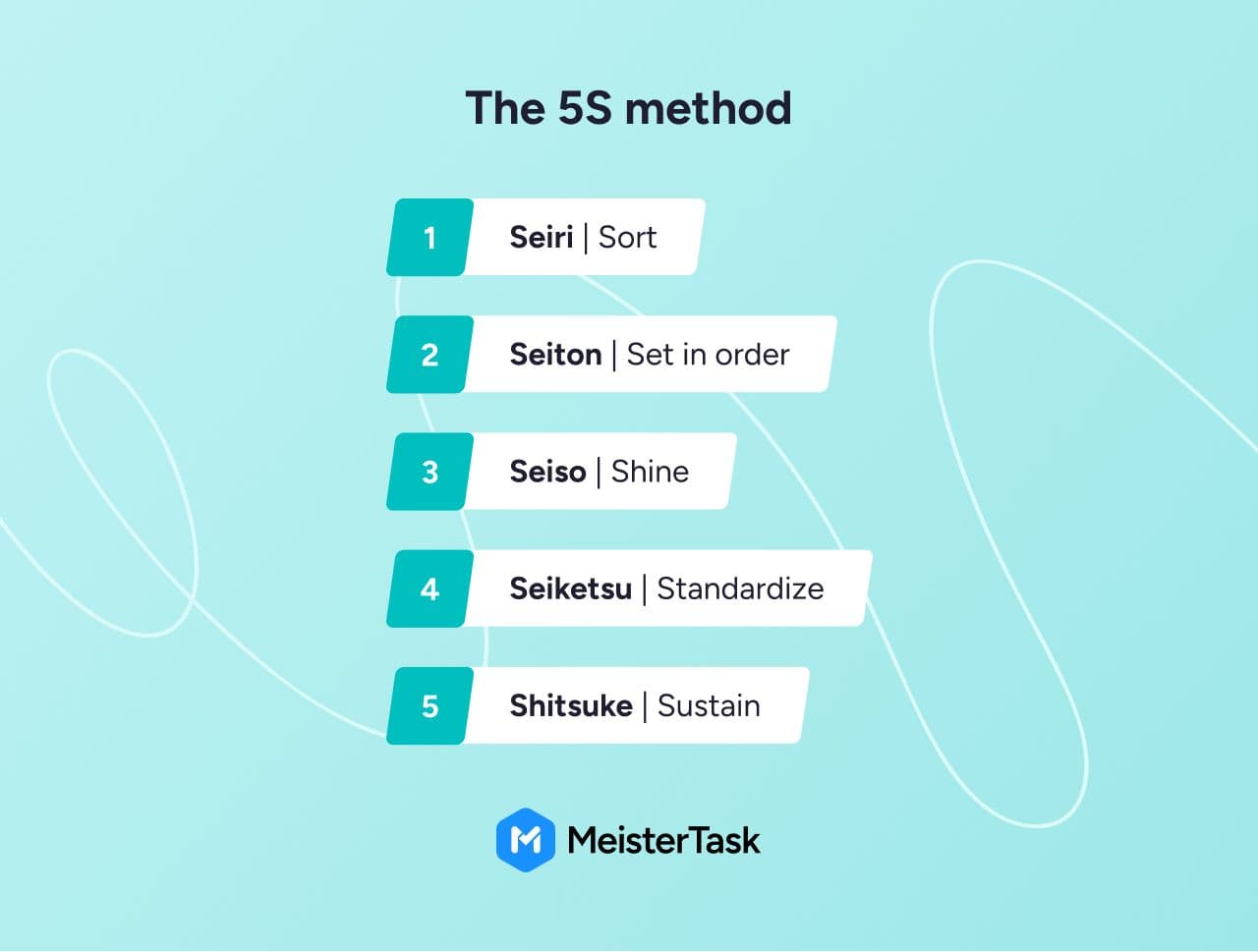
The 5S method focuses on organizing the workplace in a way that minimizes waste and makes problems immediately visible. Each "S" stands for a Japanese term representing one step:
Seiri — Sort. Separate what's needed from what isn't. Remove anything not essential to the current work from the workspace.
Seiton — Set in order. Arrange the remaining items logically. Everything has a defined place, and that place makes sense for how the work actually flows.
Seiso — Shine. Keep the workspace clean. Cleanliness functions as a form of inspection — it surfaces abnormalities, defects and inefficiencies that would otherwise go unnoticed.
Seiketsu — Standardize. Make the first three steps the norm. Establish standards for organization and cleanliness that everyone follows consistently.
Shitsuke — Sustain. Build the discipline to maintain those standards over time. This is the hardest S and the most important — without it, the other four gradually erode.
In digital work environments, 5S translates to structuring project boards, file systems, communication channels and documentation in ways that are logical, consistent and maintained. A well-organized project workflow is the digital equivalent of a clean, ordered workspace.
What is a Kaizen event?
A Kaizen event — sometimes called a Kaizen blitz — is a focused, short-duration improvement effort targeting a specific process or problem.
While everyday Kaizen is about small, ongoing changes, a Kaizen event is an intensive workshop — typically lasting two to five days — where a cross-functional team comes together to analyze, redesign and implement improvements to a specific process.
Kaizen events are structured as follows:
Preparation (1–2 weeks before): Define the scope, assemble the team, gather baseline data on the current process
The event itself (2–5 days): Map the current state, identify waste and inefficiencies, design the improved process, implement changes in real time
Follow-up (30–90 days after): Track results against targets, confirm the improvement is holding, document the new standard
Kaizen events are particularly effective when a process is clearly broken and the team closest to the work has the authority to change it immediately. They combine the analytical rigor of the PDCA cycle with the speed and energy of a concentrated team effort.
Real-world Kaizen examples
Kaizen isn't limited to factories. Here's how it works across four different contexts — from automotive manufacturing to software teams.
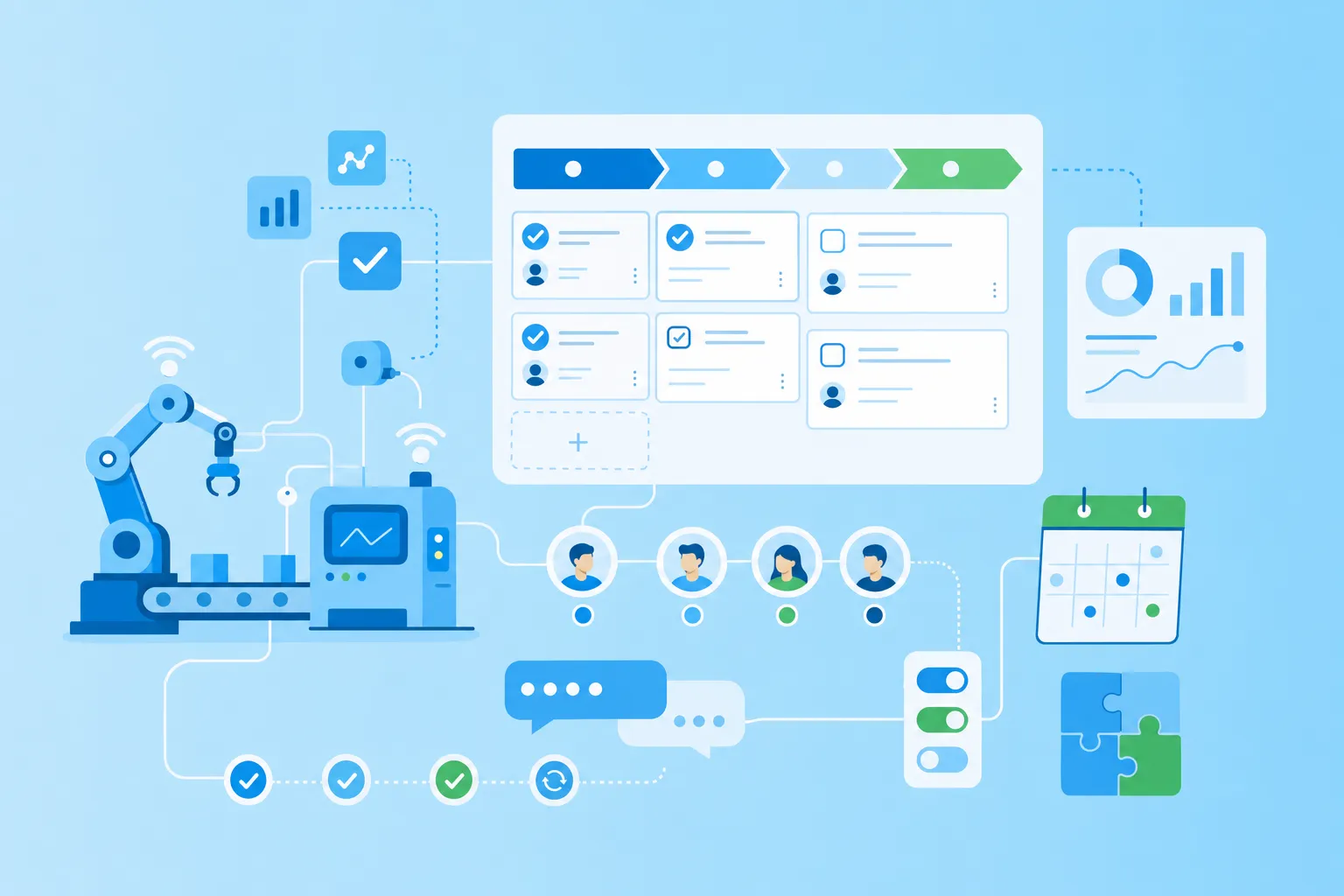
Toyota Production System
Toyota is the most famous practitioner of Kaizen. Every worker on the production line had the authority — and the responsibility — to stop the line if they spotted a defect. Rather than passing problems downstream, problems were fixed at the source. Toyota's suggestion system collected tens of thousands of employee improvement ideas per year, with the majority implemented. This bottom-up approach transformed Toyota from a postwar manufacturer into one of the world's most efficient and reliable car companies.
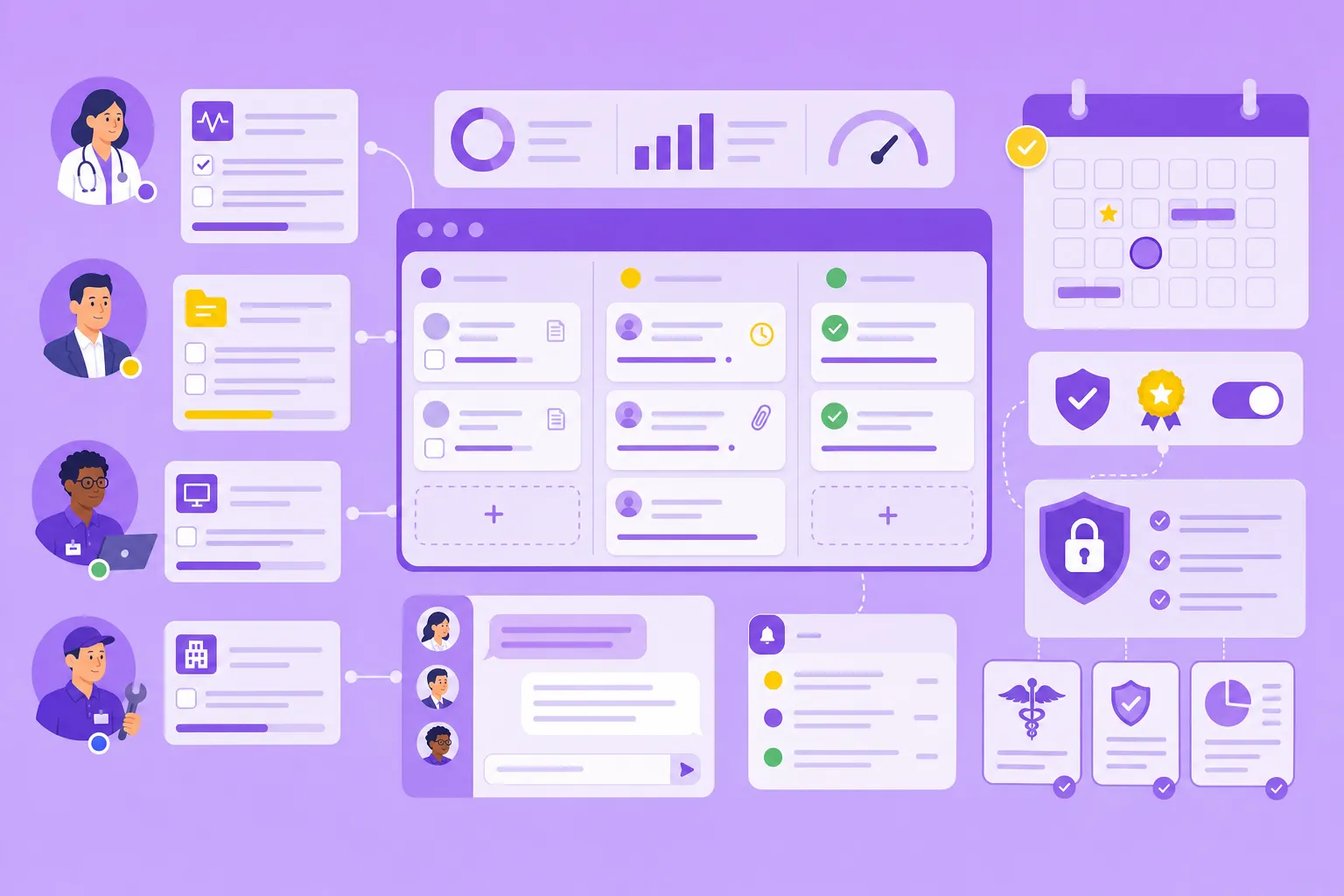
Healthcare: reducing medication errors
Hospitals have adopted Kaizen extensively to improve patient safety. One common application: reducing medication errors through 5S principles applied to pharmacy workflows. By standardizing the physical layout of medication preparation areas, clearly labeling every item, and running daily "Shine" checks, hospitals have measurably reduced dispensing errors and improved response times. The same iterative PDCA approach used on factory floors proves equally effective in clinical settings.
Software development: continuous retrospectives
Agile software teams practice a form of Kaizen in every sprint retrospective. The retrospective is a structured PDCA loop: what did we plan, what actually happened, what should we change for next time? Teams that treat retrospectives seriously — not as a formality but as a genuine improvement mechanism — compound small workflow gains across every development cycle. Over a year of two-week sprints, 26 improvement cycles can produce transformative results from modest individual changes.
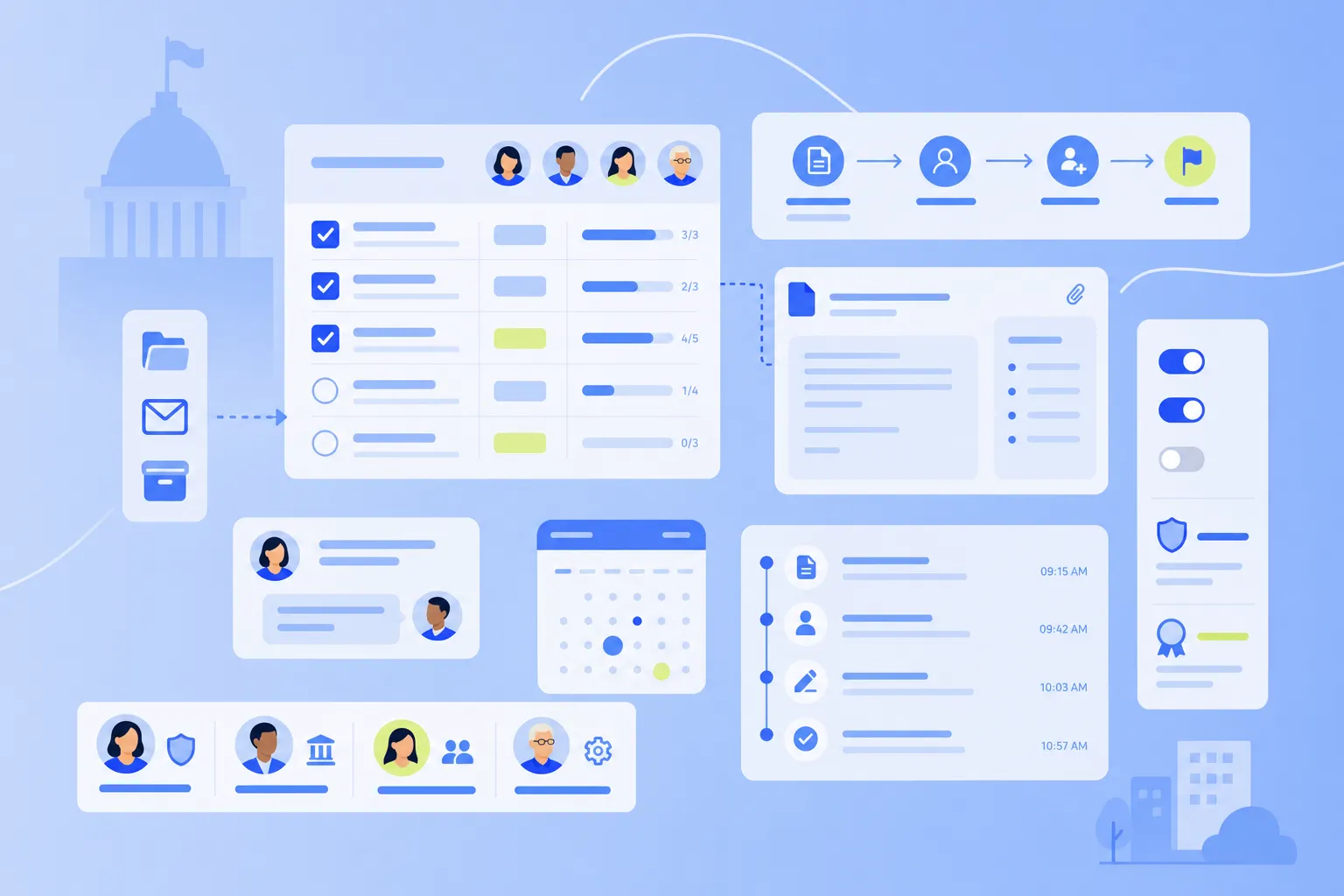
Office administration: eliminating meeting waste
A common Kaizen application in office environments is systematically reducing meeting overhead. A cross-functional team maps all recurring meetings, measures the time cost and evaluates the actual output of each. By applying 5S thinking — removing meetings that produce no decisions, standardizing agendas for those that remain, and setting clear time limits — organizations routinely recover 20–30% of their teams' working time. The time management strategies that emerge from this process then become the new standard baseline.
Why Kaizen is especially relevant for mid-sized businesses
Mid-sized businesses often lack the budget for major transformation programs — and Kaizen is built exactly for this context.
Many mid-sized companies still rely on a mix of spreadsheets, email threads and verbal agreements. These legacy workflows limit transparency and lead to information loss. Kaizen offers a structured, incremental approach to fixing them — without requiring a large budget, a dedicated transformation team or a full-scale restructuring effort.
The key advantage: improvements happen where the work happens, led by the people who understand the process best. Management's role is to provide the framework and the support — not to design the solutions.
This bottom-up approach also tends to generate better buy-in than top-down change programs. When people help design the improvement, they're far more likely to maintain it.
How MeisterTask supports a Kaizen culture
The principles of Kaizen are timeless — but implementing them consistently is significantly easier with the right digital infrastructure.
A project management tool like MeisterTask acts as a central Kaizen platform, giving teams the structure they need to make improvement systematic rather than sporadic.
Visual workflows with Kanban boards
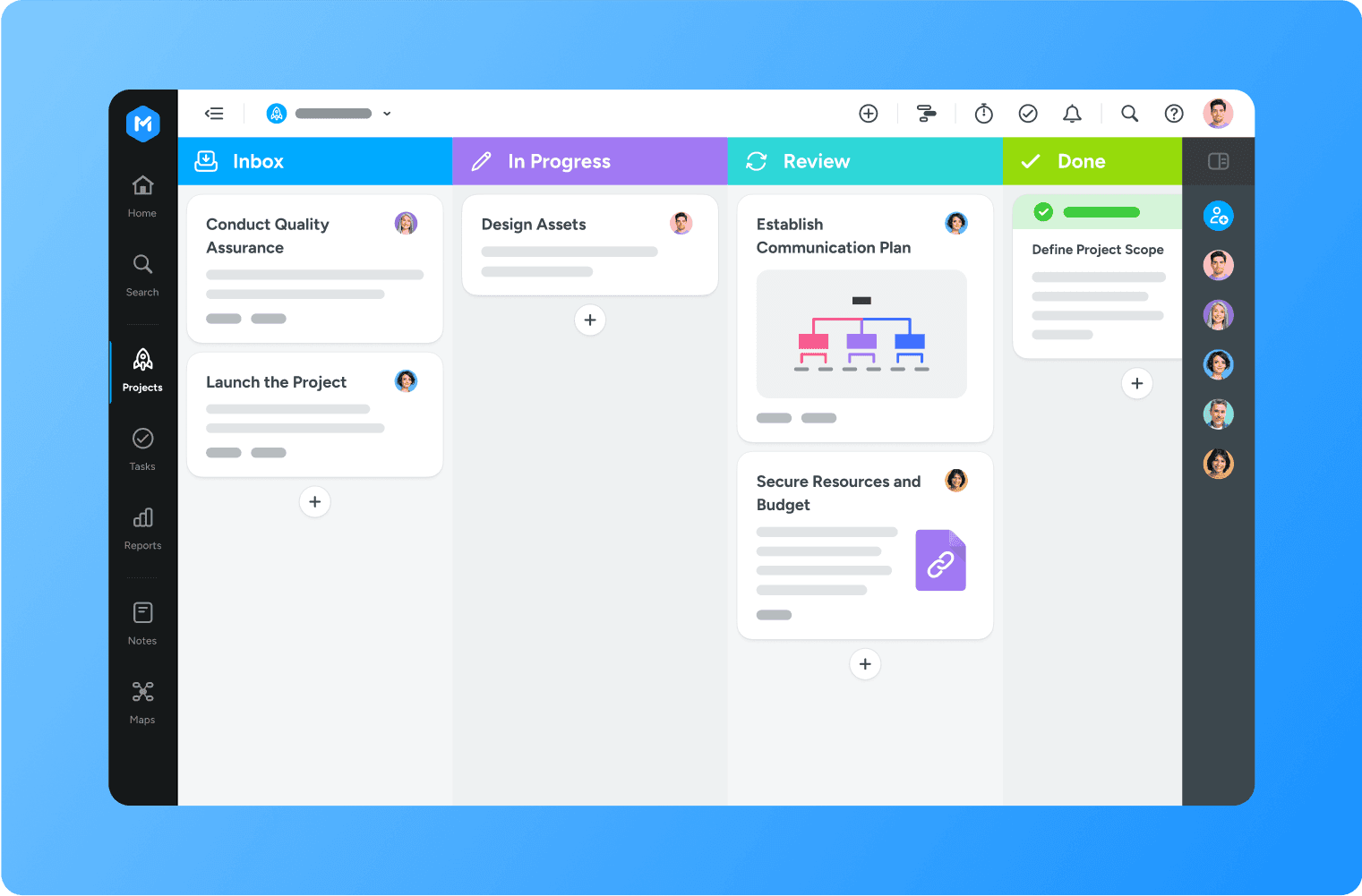
At the heart of MeisterTask are Kanban boards that make every task's status visible at a glance. Bottlenecks — the most common target of Kaizen improvement efforts — become immediately apparent when work accumulates in one column. Teams can map the PDCA cycle directly on the board: Ideas → In Progress → Review → Done mirrors Plan → Do → Check → Act.
Dedicated improvement cycle tracking
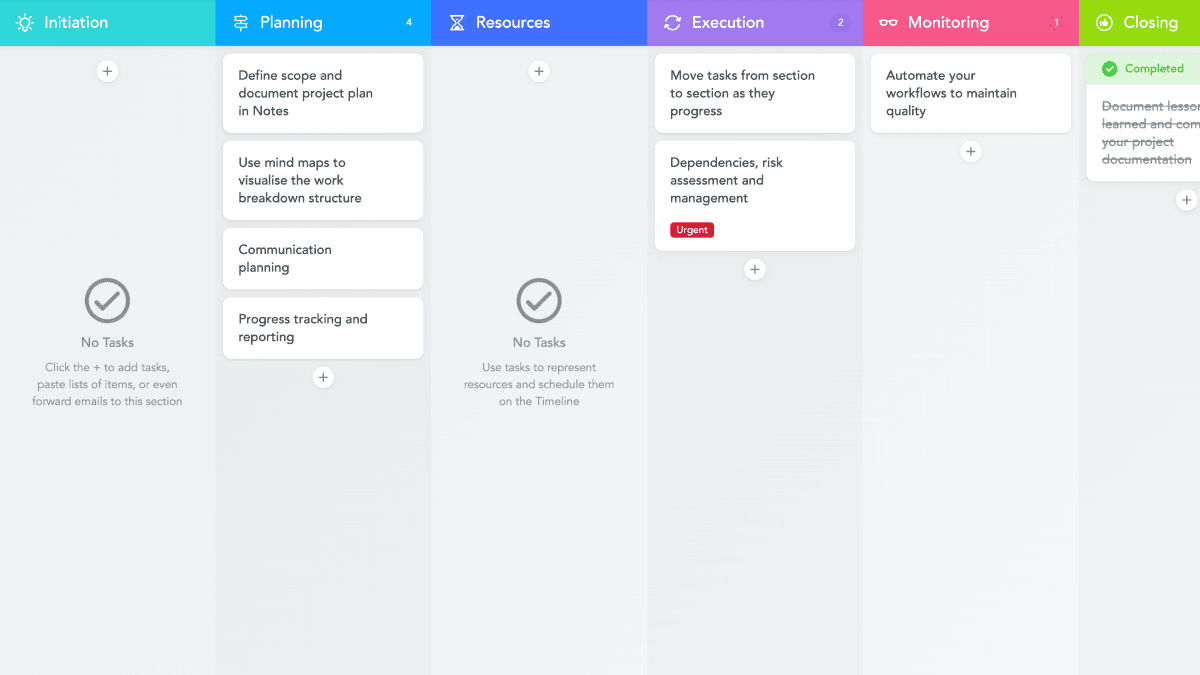
Set up a dedicated project for your continuous improvement process. Every idea becomes a task with all relevant discussions, data and decisions documented in one place. Nothing gets lost. Progress is trackable at any time. MeisterTask's project templates let you standardize how improvement suggestions are submitted and processed — the digital equivalent of a formal suggestion system.
Automations that enforce standards
Standardization is a core Kaizen principle — and MeisterTask's automation features make it structural rather than relying on individual discipline. Automatically create recurring tasks, assign responsibilities when statuses change, or trigger checklists based on predefined conditions. Once an improvement becomes the new standard, automations ensure it's consistently applied.
Collaboration and feedback loops in context
Kaizen depends on open communication. In MeisterTask, all conversations happen directly on the task — contextualized, visible, and integrated with tools like Slack and Microsoft Teams. Ideas land where they belong: in the workflow, not buried in an email chain.